



RSK2
RSK2 (ribosomal S6 kinase 2, RPS6KA3) is a widely expressed serine/threonine kinase of the p90RSK family that functions downstream of ERK1/2 and phosphoinositide-dependent kinase 1, positioning it as a critical effector of MAPK signaling that regulates cell survival, proliferation, and transcriptional responses[1][2]. RSK2 integrates extracellular growth-factor signals into intracellular phosphorylation events and contributes to the control of cell-cycle progression and transformation-associated programs through phosphorylation of downstream substrates[1][3]. Mechanistically, RSK2 participates in RAS-MAPK pathway regulation and influences phosphorylation of signaling and transcriptional regulators, thereby affecting cellular growth and adaptive responses[2][4]. In disease-relevant models, genetic deletion or knockdown of RSK2 suppresses cell proliferation, induces G1-phase accumulation, and reduces oncogenic transformation, whereas increased RSK2 activity promotes tumor-promoter-induced cell transformation and cancer-related phenotypes[1][5]. RSK2 is also clinically significant because loss-of-function mutations in RPS6KA3 cause Coffin-Lowry syndrome, linking RSK2-dependent signaling to neurodevelopmental and skeletal abnormalities[6][7]. Compared with related RSK isoforms, RSK2 has been identified as a specific binding partner of SPRED2, revealing isoform-selective regulation within the RAS-MAPK network and highlighting functional distinctions that are not shared uniformly across the RSK family[2]. For experimental applications, pharmacological inhibitors including kaempferol and the RSK inhibitor BI-D1870 have been used to suppress RSK-dependent signaling, making RSK2 a valuable target for mechanistic studies of MAPK-driven proliferation, transformation, and therapeutic intervention strategies[1][4].
Verweise:
- [1]. Cho YY, et al. Ribosomal S6 kinase 2 is a key regulator in tumor promoter induced cell transformation. Cancer Res. 2007 Sep 1;67(17):8104-12. [Content Brief]
- [2]. Lopez J, et al. The ribosomal S6 kinase 2 (RSK2)-SPRED2 complex regulates the phosphorylation of RSK substrates and MAPK signaling. J Biol Chem. 2023 Jun;299(6):104789. [Content Brief]
- [3]. Spirrison AN, et al. RSK1 and RSK2 as therapeutic targets: an up-to-date snapshot of emerging data. Expert Opin Ther Targets. 2024 Dec;28(12):1047-1059. [Content Brief]
- [4]. Wright EB, et al. Therapeutic targeting of p90 ribosomal S6 kinase. Front Cell Dev Biol. 2023 Dec 19;11:1297292. [Content Brief]
- [5]. Cho YY, et al. RSK2 as a key regulator in human skin cancer. Carcinogenesis. 2012 Dec;33(12):2529-37. [Content Brief]
- [6]. RSK2 gene information from NCBI.
- [7]. Rogers RC, et al. RPS6KA3-Related Intellectual Disability. 2002 Jul 16 [updated 2023 Mar 16]. In: Adam MP, Bick S, Mirzaa GM, Pagon RA, Wallace SE, Amemiya A, editors. GeneReviews® [Internet]. Seattle (WA): University of Washington, Seattle; 1993-2026. [Content Brief]
All Product Categories
-
RSK2 Verwandte Produkte (15)
Verwandte Produkte (15)

-
Antibodies (1)
- 1
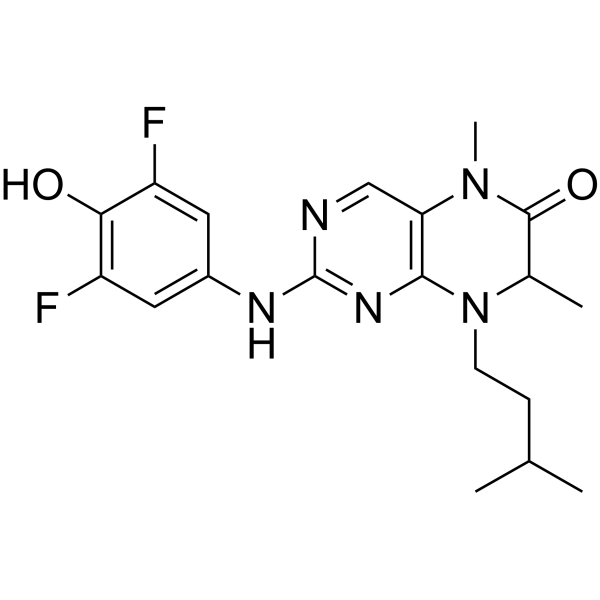
-
Carnosol
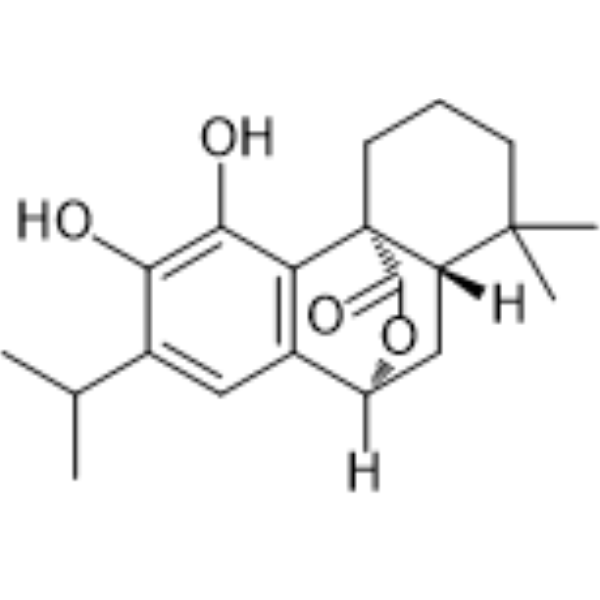 0 ImagesCarnosol is a potent Ribosomal S6 Kinase (RSK2) inhibitor that could be useful for treating gastric cancer, with an IC50 of ~5.5 μM. Carnosol, a Nrf2 activator, increases the nuclear levels of Nrf2 and can promote the expression of heme oxygenase 1 (HMOX1).
-
SM1-71
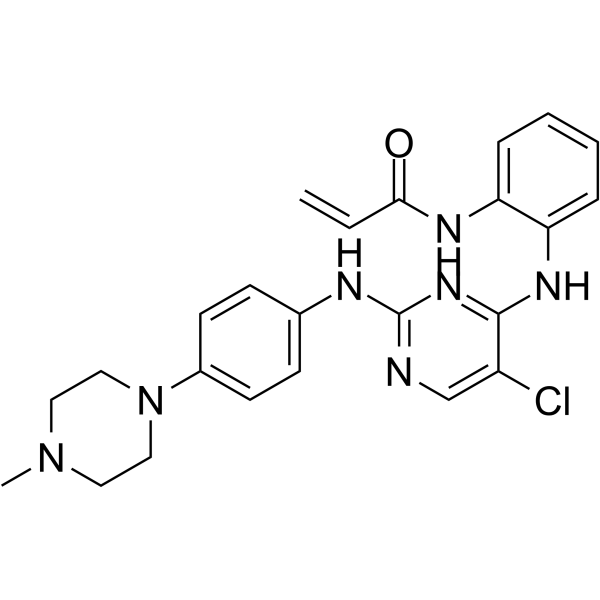 0 ImagesArt. -Nr.: HY-136848CAS. Nr.: 2088179-99-9
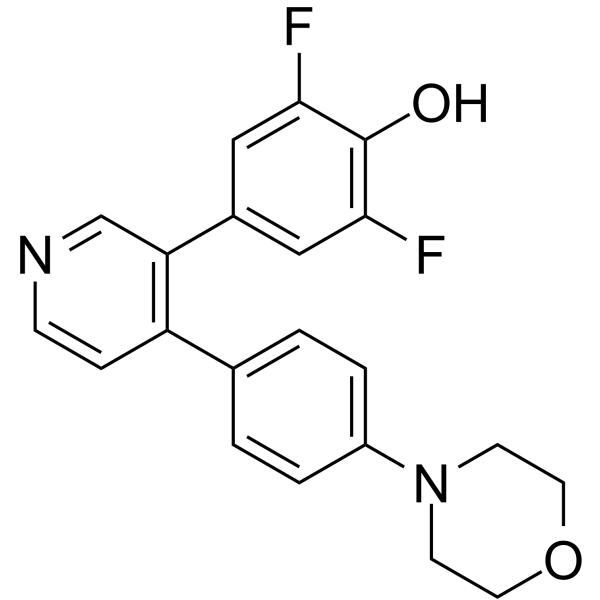
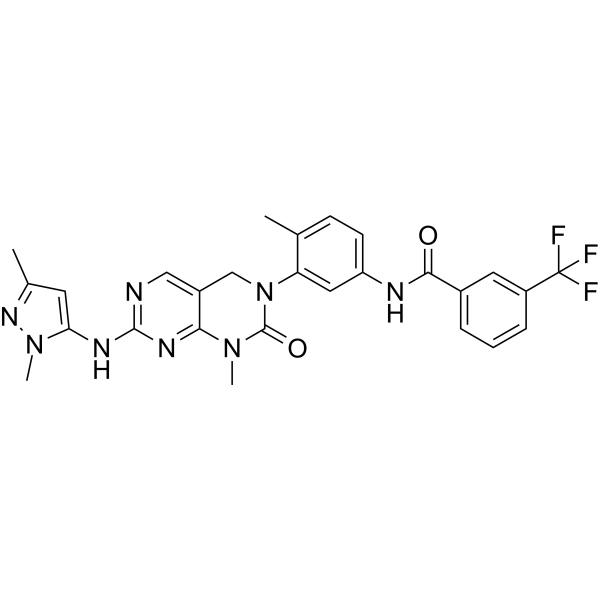
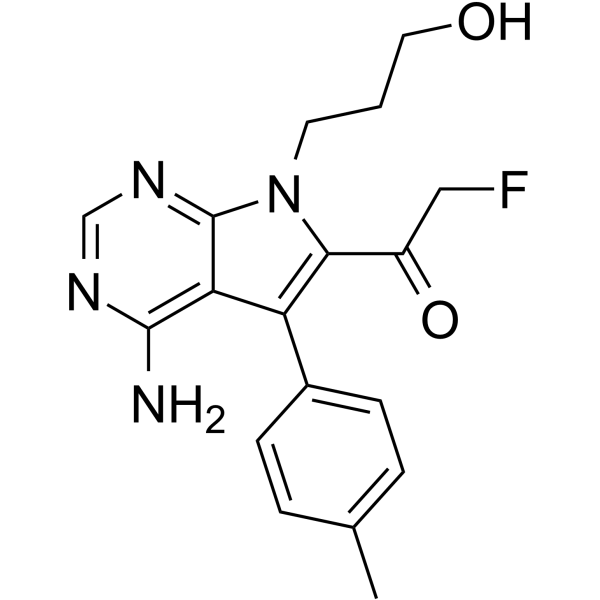
-
BIX 02565
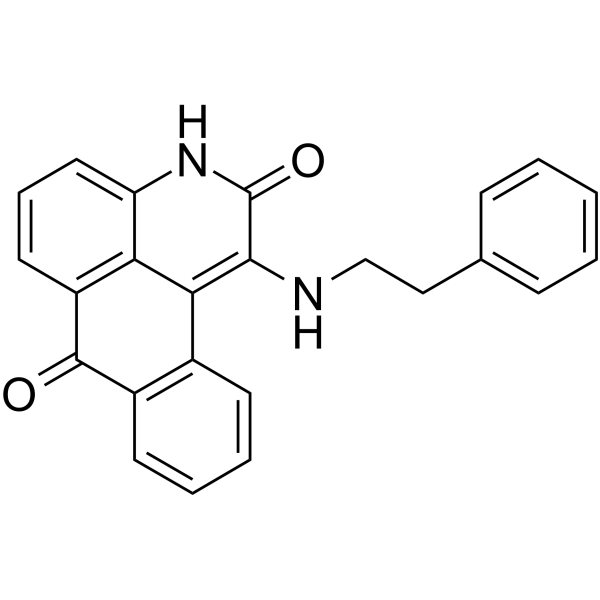
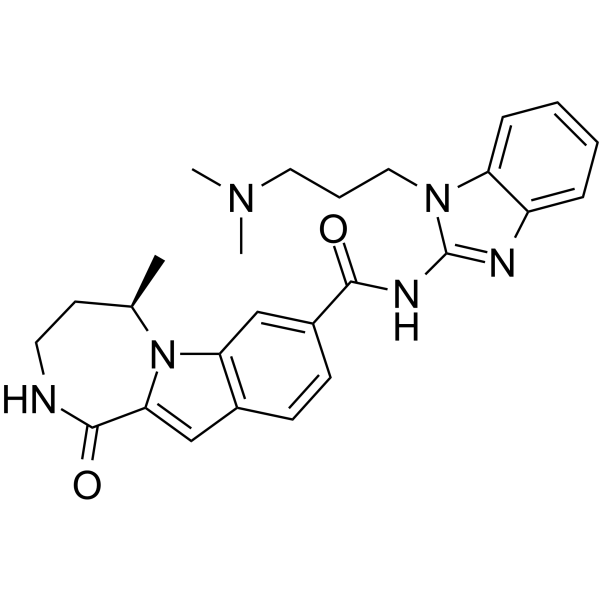 0 ImagesBIX 02565 is a potent ribosomal S6 kinase 2 (RSK2) inhibitor with IC50 of 1.1 nM.
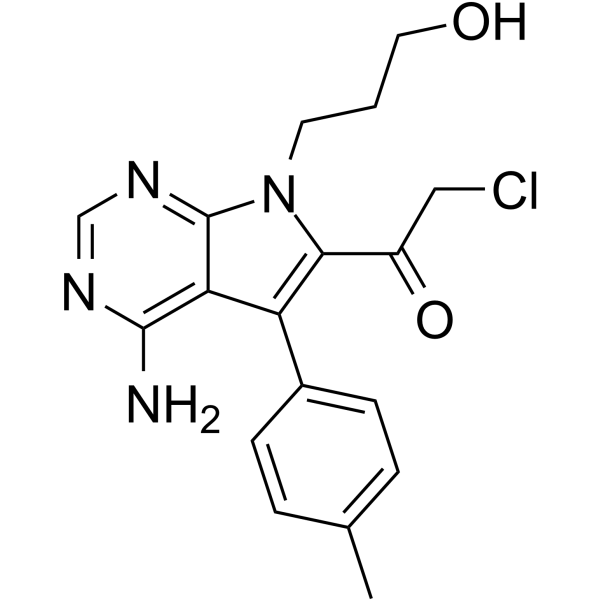
-
FMK-MEA
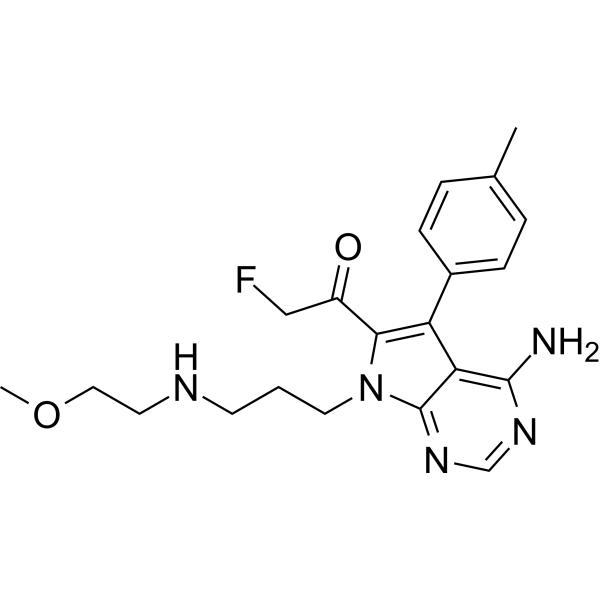 0 ImagesFMK-MEA is a potent and selective p90 Ribosomal S6 Kinase (RSK) inhibitor.

-
RSK2-IN-2
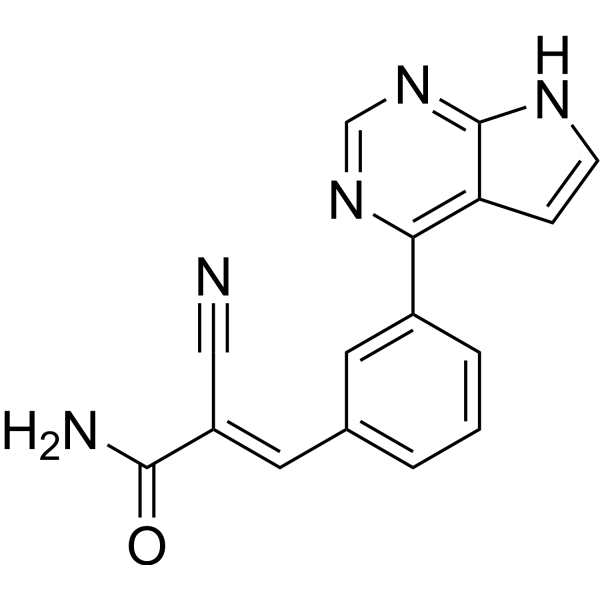 0 ImagesArt. -Nr.: HY-150643CAS. Nr.: 1637749-78-0
-
RSK2/TOP2-IN-1
 0 ImagesArt. -Nr.: HY-178029RSK2/TOP2-IN-1 is a RSK2/TOP2 dual inhibitor. RSK2/TOP2-IN-1 targets key tumor progression enzymes including ribosomal S6 kinase 2 and topoisomerases IIα/IIβ. RSK2/TOP2-IN-1 shows selectivity index > 2 against all squamous cell carcinoma (SCC) cell lines. RSK2/TOP2-IN-1 can induce cell apoptosis, autophagy and ROS production. RSK2/TOP2-IN-1 can be used for the research of cancer, such as squamous cell carcinoma.
-
RSK2-IN-3
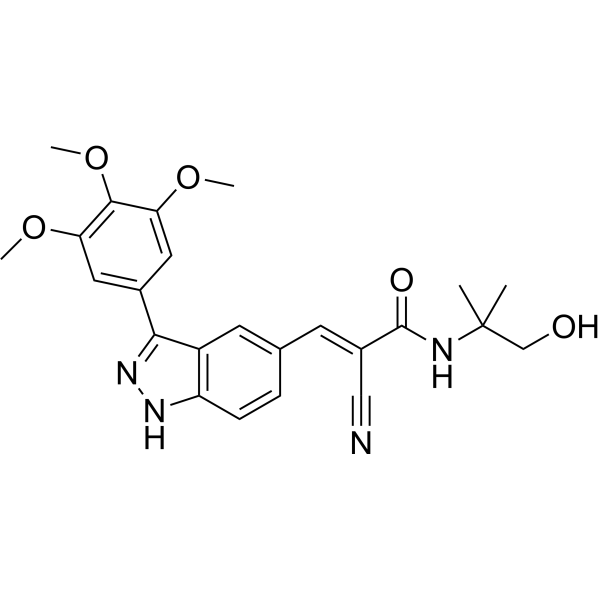 0 ImagesArt. -Nr.: HY-150717CAS. Nr.: 1627136-54-2RSK2-IN-3 (Compound 26) is a reversible covalent inhibitor of the RPS6KA3 (RSK2) kinase.
-
(E/Z)-PV1162
 0 ImagesArt. -Nr.: HY-164523ACAS. Nr.: 1346559-65-6
- 1




